Living a Spiritual Life

Week 7 is a fitting culmination to the entire study. It gathers every thread—salvation, indwelling, discernment, fruit, and maturity—and shows how Biblical Spirituality is lived, not merely understood. Below is a fully expanded Week 7 with a pastoral tone, strong biblical grounding, and interaction points that help participants move from theology to daily practice. Week

Wounded Pride

Wounded Pride Before God Self-pity in Scripture emerges as a form of wounded pride—a condition in which individuals become fixated on their own suffering and convinced they deserve better treatment. Unlike the outward arrogance of self-promotion, self-pity is an inward, subtler pride. It turns inward when expectations go unmet, when recognition does not come, or

A Truly Spiritual Person

Week 6 is where the study turns constructive and pastoral. After clarifying what spirituality is not (mere effort, gifting, experience, or counterfeit power), Scripture now answers the question every believer eventually asks: “If I am truly spiritual, what should my life actually look like?” What follows is an expanded, teachable Week 6 that defines spiritual

Serious Warning

Week 5 is a necessary sobering turn in the study. After establishing what true biblical spirituality is (Spirit-indwelt life flowing from salvation), Scripture now warns us that not everything supernatural, impressive, or “spiritual” comes from the Holy Spirit. This week helps men grow in discernment without fear and clarity without cynicism. Week 5 — A

Carrying the Promise

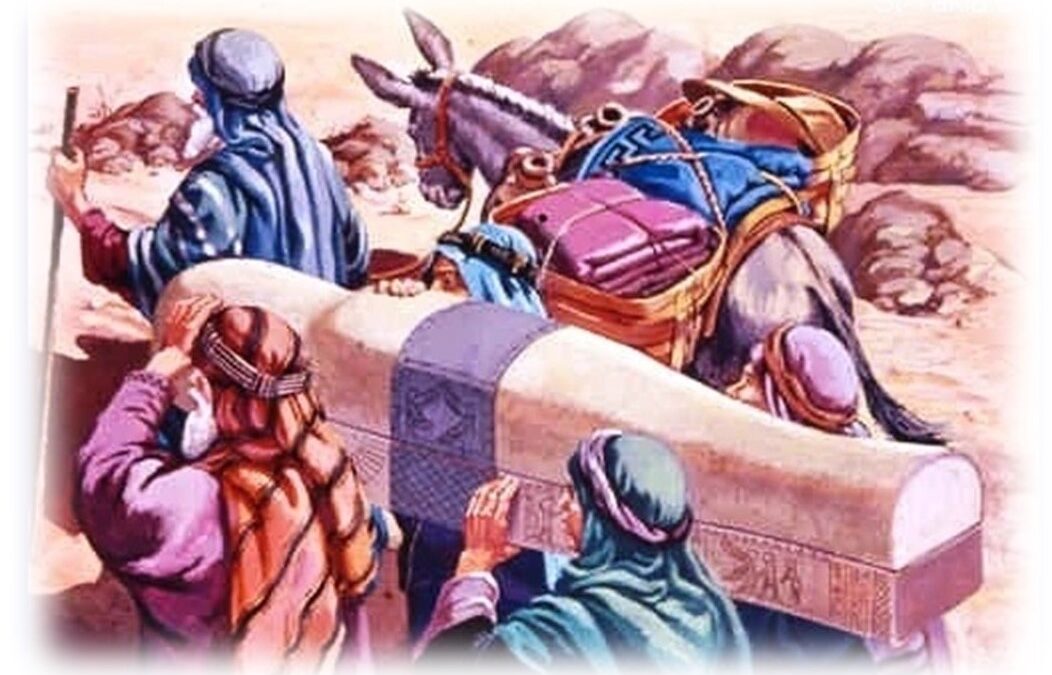
Carrying the Promise Through the Wilderness Joseph’s Bones and Faith That Endures Purpose of the StudyToday we’re exploring a small but powerful detail in Scripture: the carrying of Joseph’s bones during the Exodus. What seems like a minor historical note becomes a living testimony of faith, obedience, and hope, even in seasons of struggle and

The Shekinah Glory

The word Shekinah does not appear directly in the Bible, yet the reality it describes is found throughout Scripture. Shekinah comes from a Hebrew root meaning “to dwell” and is used to describe the manifest presence of God living among His people. In the Old Testament, God’s glory filled the tabernacle and the temple. In

Relative Disciples

Have you heard people mention the name disciples? Or even categorized or labeled themselves as a disciple?  In the Christian community it is quickly associated with the times of Jesus. Early New Testament Disciples The New Testament was originally written in Greek, and the word mathētēs (“disciple,” learner, apprentice) is used almost exclusively in the

No better time

As we approach the US holiday of Thanksgiving, it is a good time to acknowledge how it started, and why as a Christian it is important. The Holiday The original thanksgiving celebration was held by the Pilgrim settlers in Massachusetts during their second winter in America in December, 1621. The first winter had killed 44

The unnoticed

John Bunyan, in the second part of his book The Pilgrim’s Progress, describes the time when Christiana and her companions must descend into the Valley of Humiliation. Bunyan describes that place as “a steep hill, and the way was slippery.” In other words, it’s never easy to humble oneself, and when our path demands humility of us, we

Childish

Each of us have a personal experience in todays discussion, in more than one way. Each us started out years ago as a child. What are some of the characteristics that distinguish a child from a kid and also from adults? As we look at Matthew chapter 18 today, Jesus focus is on relationships, can